
The Future Underfoot: A Deep Dive into Solar Mats
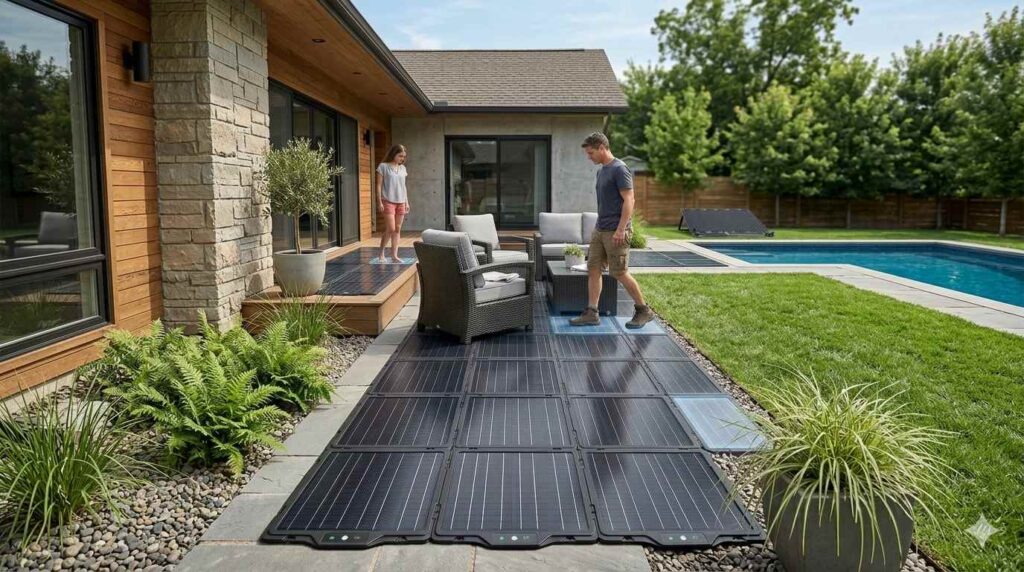
Imagine a world where your driveway, patio, or even the local sidewalk doesn’t just sit there—it powers your home. That’s the promise of Solar Mats (also known as solar pavers or walkable solar panels). These are specialized, heavy-duty photovoltaic modules designed to be laid directly on horizontal surfaces.
What Exactly is a Solar Mat?
A solar mat is a sandwich of high-efficiency solar cells protected by a layer of ultra-durable, slip-resistant tempered glass or high-strength polymers. Unlike traditional rooftop panels, these are engineered to withstand mechanical loads (like footsteps or cars) and harsh environmental wear.
Key Features & Components
- Modular Design: They often come in interlocking tiles, making installation and replacement relatively simple.
- Anti-Slip Texture: To ensure safety, the top surface is chemically etched or molded to provide grip, even when wet.
- Integrated Electronics: Many models include built-in micro-inverters or LED lighting for nighttime pathways.
- Durability: Rated to handle thousands of pounds of pressure per square inch.
Top 5 Practical Applications for Solar Mats
Solar mats are versatile, low-profile energy solutions used where traditional rigid panels won’t fit. Here is a short breakdown of their primary uses:
1. Portable Power (Leisure)
- Backpacking: Foldable mats clip onto bags to charge phones or power banks while hiking.
- Camping: Rollable mats spread over tents or ground to run lights and portable fridges.
2. Walkable Surfaces (Infrastructure)
- Residential: Heavy-duty mats replace patio pavers or driveway tiles to generate power from walking/driving areas.
- Smart Cities: Integrated into sidewalks to power streetlights or public USB charging stations.
3. Mobile & Marine (Transportation)
- Boats: Thin, non-slip mats contour to curved decks, providing power without creating a trip hazard in saltwater environments.
- RVs/Vans: Adhesive mats stick to vehicle roofs to maintain a low profile and reduce wind resistance.
4. Emergency & Remote Use
- Disaster Relief: Rapidly deployed on any flat ground to provide instant electricity for medical gear or communications.
- Military: Lightweight kits used to power field equipment because they are easier to transport than glass.
5. Pool Heating (Thermal)
- Water Circulation: Unlike electric mats, these circulate pool water through black, sun-heated tubes to raise water temperature naturally.
Where to Use
1. Above-Ground Swimming Pools (Primary Use)
This is its intended home. It is most effective for:
- Small to Medium Vinyl Pools: Perfect for Intex, Bestway, or similar “Easy Set” or “Frame” pools up to 8,000 gallons.
- Extending the Swimming Season: Use it in early spring or late autumn to warm the water when the air is still a bit chilly.
2. In-Ground Pools (Secondary Use)
While designed for above-ground setups, you can use them for in-ground pools if:
- You have a flat deck or paved area near the pool to lay them out.
- You daisy-chain multiple mats (4 to 6 units) to handle the larger volume of water.
3. Kids’ Paddling Pools & Inflatable Spas
If you have a large inflatable “kiddie” pool or a portable spa, these mats are excellent. Because the water volume is low, one mat can heat the water very quickly—sometimes making it feel like a warm bath.
4. Outdoor “Solar Showers” (DIY Use)
For people living off-grid or at a construction site/remote cabin:
- You can connect a small water pump to the mat and circulate water from a storage tank.
- After a few hours in the sun, you’ll have a tank of hot water for a comfortable outdoor shower.
5. Small Fish Ponds (Spring Use)
Some pond owners use these in the spring to gently raise the water temperature for sensitive fish coming out of winter dormancy (though you must ensure the pump flow isn’t too strong for the fish).
Advantages vs. Disadvantages
Is this technology right for your next project? Let’s weigh the pros and cons:
The Pros (Advantages)
- Space Optimization: Perfect for urban areas or homes where roof space is limited or shaded.
- Aesthetic Appeal: They offer a sleek, futuristic look compared to bulky rack-mounted panels.
- Dual Utility: They serve as both a functional walking surface and an energy generator.
- Heat Reduction: Unlike asphalt, which absorbs and radiates heat (the “heat island” effect), solar mats can help manage surface temperatures.
The Cons (Disadvantages)
- Efficiency Loss: Because they lay flat, they cannot be tilted toward the sun, leading to lower energy yields than angled roof panels.
- Higher Cost: The specialized casing and materials make them significantly more expensive per watt.
- Soiling: Being on the ground means they get dirty faster (dust, mud, leaves), requiring more frequent cleaning to maintain efficiency.
Comparative Analysis: Solar Mats vs. Traditional Solar
| Feature | Solar Mats (Walkable) | Traditional Rooftop Solar |
|---|---|---|
| Primary Placement | Driveways, Decks, Paths | Roofs, Open Fields |
| Angle of Incidence | Flat (0°) | Variable/Optimized (15°–45°) |
| Durability | High (Human/Vehicle Traffic) | Moderate (Weather/Birds) |
| Installation Cost | High | Moderate |
| Maintenance | High (Needs frequent cleaning) | Low |
Best Use Cases
Where do solar mats shine the most?
- Smart Cities: Powering streetlights and sensors through energy-harvesting sidewalks.
- Electric Vehicle (EV) Charging: Using a solar driveway to trickle-charge an EV throughout the day.
- Off-Grid Cabins: Creating a power-generating patio where roof installation is impractical.
- Pool Decks: Powering pool pumps and heaters while providing a safe, non-slip surface.
Conclusion: Is it Worth the Investment?
Solar mats are a brilliant example of integrated photovoltaics. While they might not yet replace large-scale solar farms due to cost and efficiency hurdles, they are a fantastic “hidden” energy solution for homeowners and urban planners looking to squeeze every drop of utility out of their available space.