
Everything You Need to Know About Solar Flasks: The Future of Sustainable Hydration
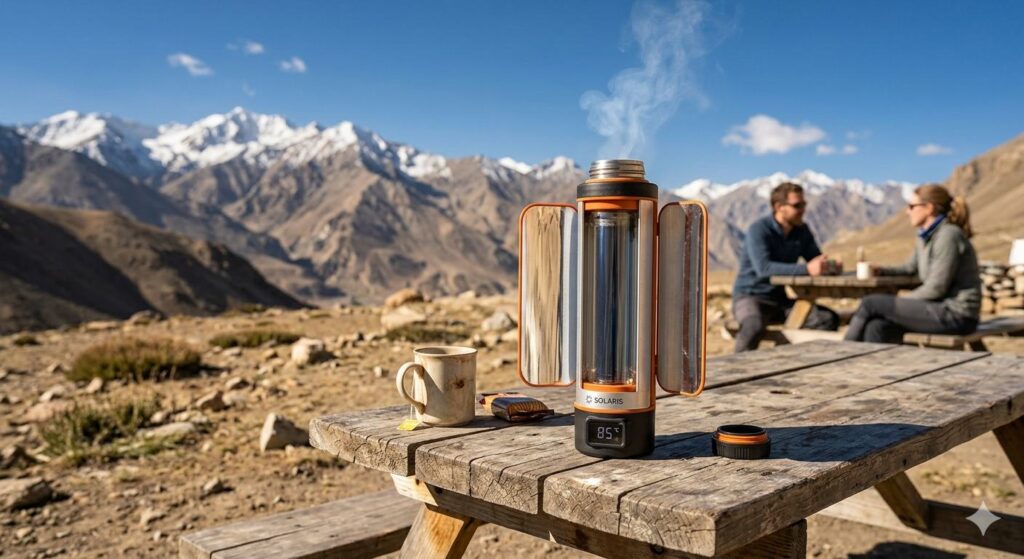
A solar flask (also known as a solar thermal bottle) is a specialized container designed to heat water or keep liquids hot using only the power of the sun. Unlike a standard vacuum-insulated thermos that merely maintains temperature, a solar flask actively captures solar radiation to increase the heat of its contents.
How a Solar Flask Works
Most solar flasks utilize evacuated tube technology. The flask consists of two layers of glass with a vacuum between them, which acts as near-perfect insulation. The inner layer is coated with a solar-absorbent material that converts sunlight into heat, transferring it directly to the liquid inside.
Key Advantages of Solar Flasks
- Eco-Friendly Energy: It requires zero electricity, batteries, or fuel. It relies entirely on renewable solar energy, reducing your carbon footprint.
- Cost-Effective: Once purchased, the “fuel” is free. You can boil water for tea, coffee, or sterilized drinking water without spending a cent.
- Highly Efficient Insulation: Because they use vacuum tube technology, these flasks are incredible at retaining heat. Even after the sun goes down, the liquid remains hot for hours.
- Portability for Off-Grid Use: Perfect for hikers, campers, and travelers visiting remote areas where power outlets or gas stoves aren’t available.
- Emergency Preparedness: In the event of a power outage or natural disaster, a solar flask ensures you can still have hot water for hygiene or food preparation.
Potential Disadvantages
- Weather Dependency: The heating speed is entirely dependent on UV intensity. On cloudy, rainy, or snowy days, the flask will heat very slowly or not at all.
- Fragility: Many high-performance solar flasks are made of specialized glass. While durable, they are more prone to breaking if dropped compared to stainless steel thermoses.
- Heating Time: Unlike an electric kettle that boils water in 2 minutes, a solar flask can take anywhere from 20 to 60 minutes to reach high temperatures depending on the sun.
- Size and Weight: Due to the vacuum tube design, these flasks are often bulkier and heavier than standard water bottles.
Performance Comparison: Solar Flask vs. Traditional Thermos
| Feature | Solar Flask | Traditional Insulated Thermos |
|---|---|---|
| Primary Function | Heats liquid + Maintains heat | Maintains heat only |
| Energy Source | Solar Radiation | Pre-heated liquid |
| Max Temperature | Can reach boiling (100°C) | Decreases over time |
| Durability | Moderate (Glass components) | High (Stainless steel) |
| Best Use Case | Camping, Off-grid, Survival | Daily commute, Office, Gym |
Best Practices for Use
- Angle Matters: For the fastest heating, face the reflective surfaces or the tube directly toward the sun.
- Pre-fill: Fill the flask before you start your hike or activity so it can heat while you are on the move.
- Keep it Clean: Dust or dirt on the outer glass can block sunlight. Wipe it down occasionally to maintain maximum efficiency.
- Pressure Release: Always be careful when opening a solar flask after it has been in the sun, as steam pressure can build up inside.
Pro-Tips for Maximum Heat
- Track the Sun: Adjust the angle of the reflectors every 15 minutes to follow the sun’s path.
- Pre-Heat: Rinse the flask with a little water first to warm the glass before filling it completely.
- Keep it Clean: Dust on the reflectors or the glass tube can reduce efficiency by up to 20%. Keep a microfiber cloth handy!
Best Use Cases
- Adventure Travel: Perfect for long-distance hikers who want to save pack weight by not carrying fuel.
- Emergency Preparedness: A vital tool for “go-bags” in case of power grid failures.
- Remote Work: If you spend your day on a construction site or in the field, you can have hot tea by lunchtime just by leaving the flask in the sun.
Conclusion
A solar flask is a brilliant, eco-friendly tool for heating liquids using only sunlight. While weather-dependent and slower than electric kettles, its zero-fuel cost and vacuum insulation make it perfect for off-grid adventures. It’s an essential, sustainable choice for hikers and campers seeking reliable, sun-powered hydration without the bulk of fuel.