
Manual vs. Self-Cleaning Solar Panels: Which Is Better?
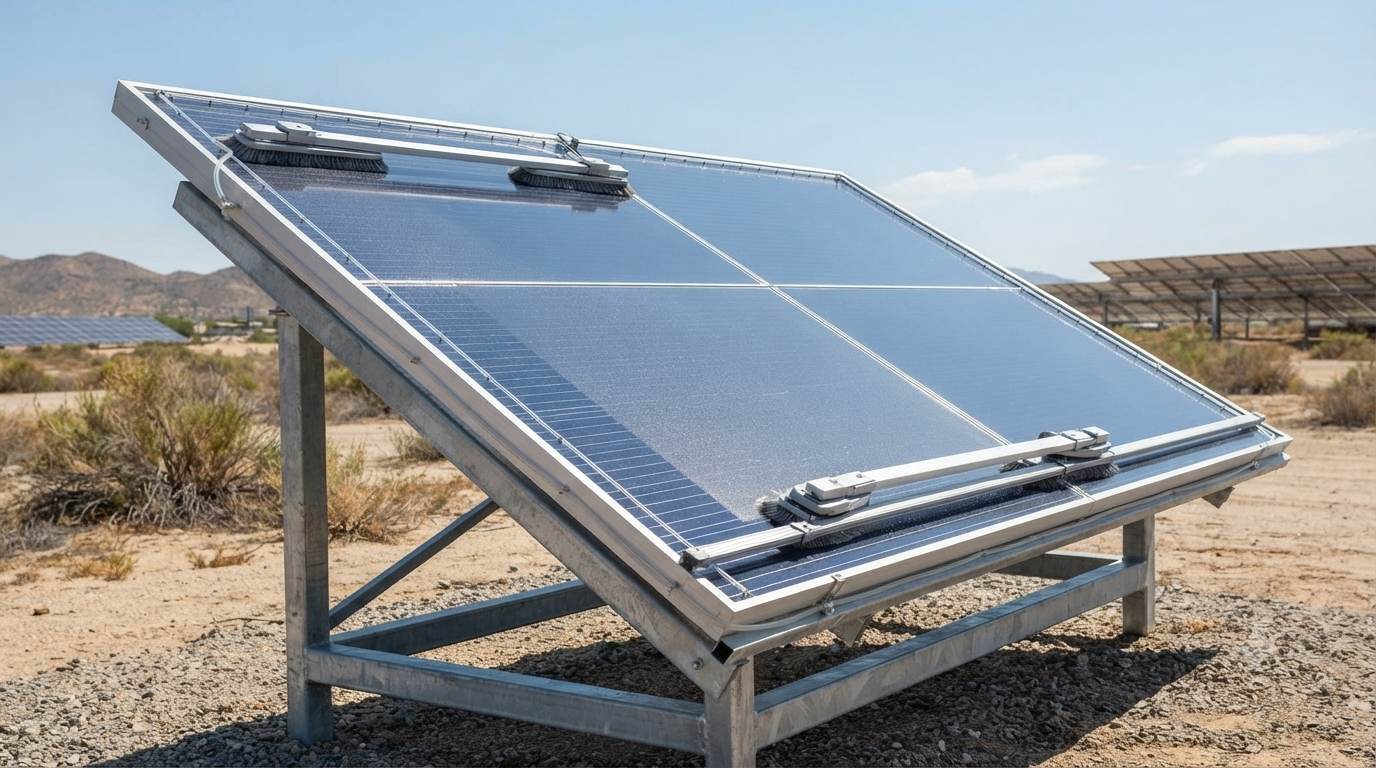
Solar panels are an incredible investment for lowering electricity bills and generating green energy. However, dust, bird droppings, pollen, and grime can block sunlight and severely hurt your system’s efficiency.
Manually washing panels is exhausting and time-consuming. That is why self-cleaning solar technology is transforming the renewable energy market.
What Are Self-Cleaning Solar Panels?
Self-cleaning solar panels use special technologies to remove dust and debris on their own without requiring manual scrubbing or hosing down. They are especially popular in dusty, dry regions where manual cleaning is difficult or requires too much water.
How Do Self-Cleaning Solar Panels Work?
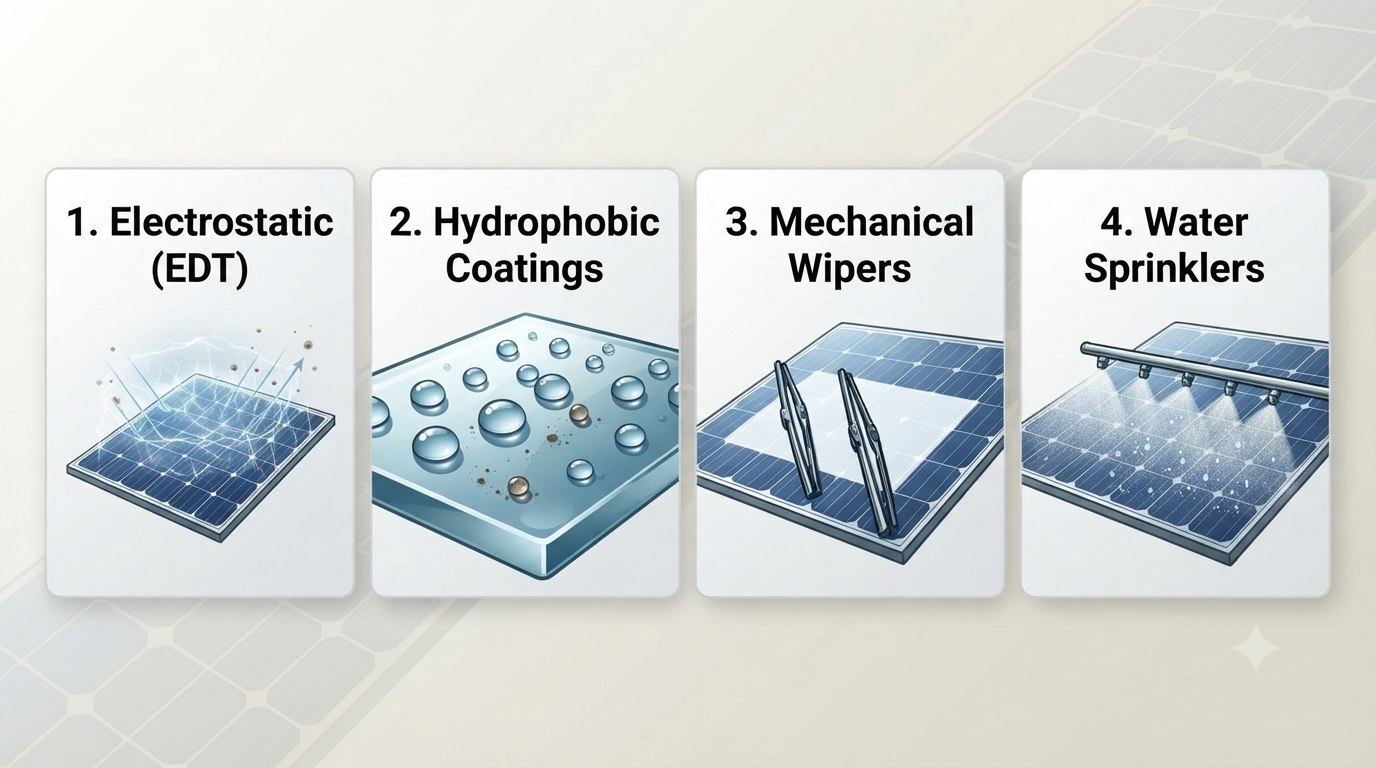
Different systems use unique physical and chemical mechanisms to keep panels clear. Here is a complete breakdown of the main self-cleaning methods:
| Technology | How It Works | Best Used For |
|---|---|---|
| 1. Electrostatic (EDT) | Uses an invisible electrical charge to lift and repel dust particles off the glass surface without water. | Dry, dusty deserts with little to no water. |
| 2. Hydrophobic Coatings | A special water-repellent nano-coating. When it rains, water beads up and rolls off instantly, carrying dirt away. | Regions with regular, predictable rainfall. |
| 3. Mechanical Wipers | Built-in automated physical wipers (like car windshield wipers) that sweep across the panel surface on a timer. | Large commercial or utility-scale solar farms. |
| 4. Water Sprinklers | Uses integrated automated nozzles and timers to spray water or fine mist across the panel to wash away debris. | Dusty areas with a reliable water supply or recycling setup. |
Pros and Cons of Self-Cleaning Solar Systems
Before upgrading, it helps to weigh the benefits against the challenges:
| Pros (Benefits) | Cons (Challenges) |
|---|---|
| Maximum Efficiency: Prevents heavy energy drops caused by dirt buildup. | Higher Upfront Cost: Advanced systems carry a larger initial installation expense. |
| Saves Labor: Eliminates the need for frequent manual scrubbing. | Mechanical Wear: Systems with moving parts (wipers/sprinklers) may require periodic repairs. |
| Optimized Water Use: Advanced options use minimal water or rely entirely on waterless tech. | Availability: Specialized setups can be harder to source for standard residential roofs. |
Side-by-Side Comparison: Traditional vs. Self-Cleaning Panels
| Feature | Traditional Solar Panels | Self-Cleaning Solar Panels |
|---|---|---|
| Cleaning Effort | Requires manual washing (2–4 times a year) | Fully automated or passive |
| Water Usage | High (hoses, pressure washers) | Very low, optimized, or completely waterless |
| Energy Loss | High if neglected (up to 25%–40% drop) | Minimal; output stays consistently high |
| Best For | Standard residential setups | Dusty regions, commercial farms, and large arrays |
Conclusion
Self-cleaning solar technology is no longer just a futuristic concept—it is a practical solution maximizing energy output worldwide. Whether you choose waterless electrostatic fields for arid deserts or automated sprinklers and wipers for heavy dust zones, keeping your panels clean guarantees a much higher return on your green energy investment!